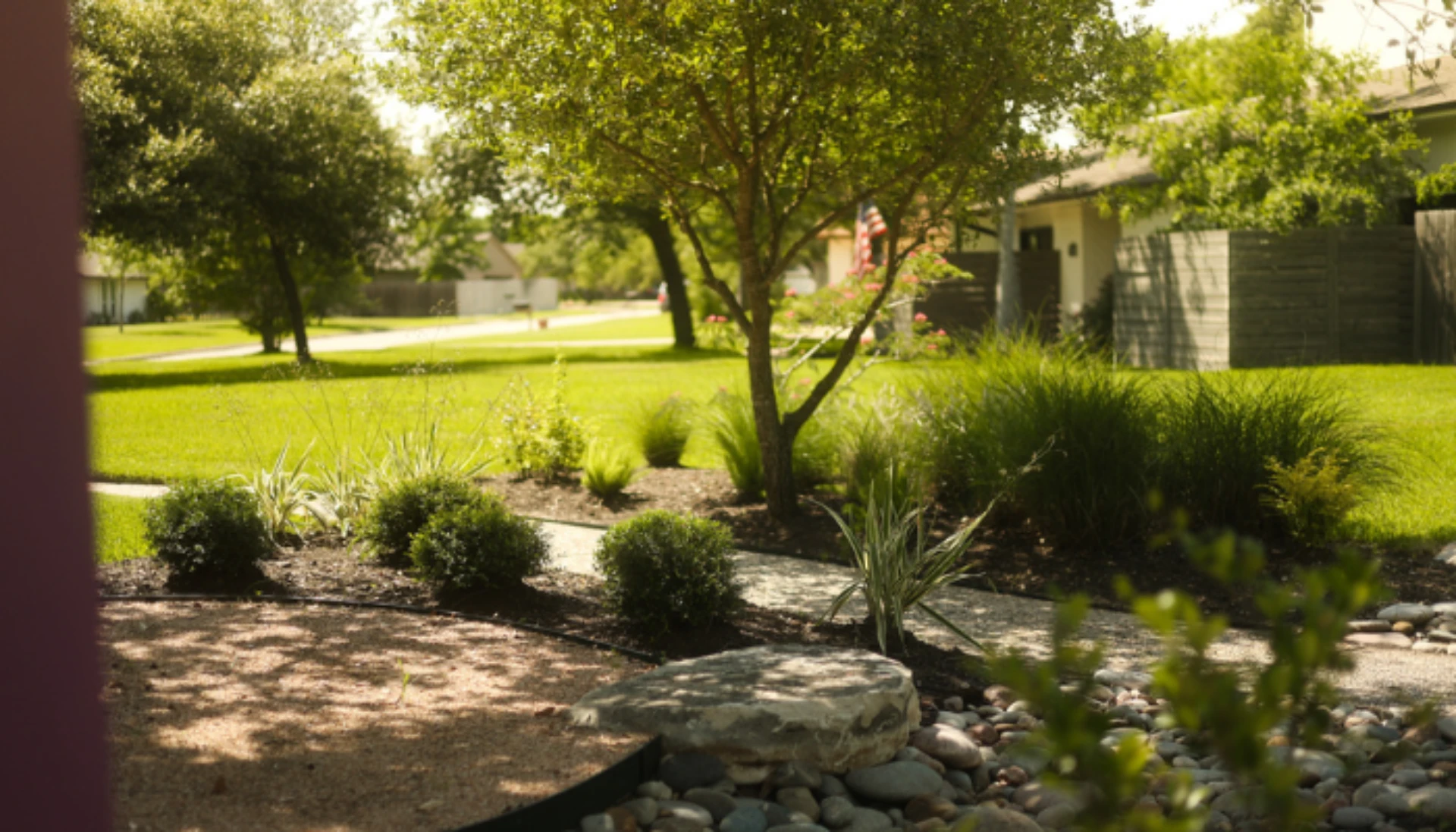
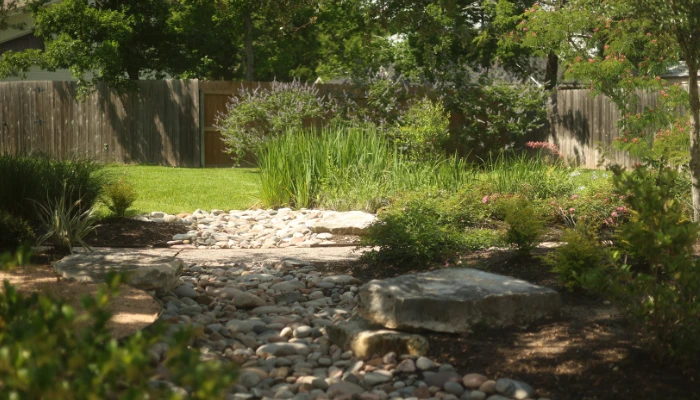
Warm summer days spent relaxing on the patio with a cool drink in your hand will be here again before you know it. As the days grow longer and birds return each morning, it’s a sure sign that spring is on the way. Is your yard ready for the season ahead?
With the right plan, your landscaping can bounce back from brown patches in the lawn and damaged shrubs beautifully. Below are 6 steps to revive your backyard after a winter freeze.
1. Assess Winter Damage
Most live grass lawns go into a state of dormancy during the cold winter months to protect roots from damage. During a winter freeze, the moisture inside each grass blade can damage the cell wall of the plant and stop the flow of vital nutrients. Foot traffic over your lawn when your grass is in this state can cause further damage and compact the soil. Inspect your lawn for dead patches or discoloration, and check which plants are dead instead of dormant.
Pro Tip: You can use the “scratch test” method to see if your plants are dormant. Use your fingernail to scratch the root of the plant gently. If the exposed section is green, it means the plant is not dead.
2. Prune and Clean Up Debris
Once you know the state your yard is in after a winter freeze, you can begin the process of bringing it back to life. Start by clearing out fallen leaves and branches. It’s typically best to wait until after the first bloom to prune most shrubs.
3. Revive Your Lawn
Shrubs and flowers add color and character to your landscape, but your lawn is the foundation on which everything else is built. Breathe new life into your yard by aerating the soil that your grass is growing in and applying fertilizer to encourage growth. In particularly thin or discolored patches, you can spread new sod.
4. Repair Irrigation Systems
Before warm weather arrives, check your irrigation system for leaks or exposed lines. If there are any cracks in your sprinkler heads or water pressure issues, they should be addressed before you set your irrigation timer.
5. Plan for Future Freezes
Don’t be fooled by the infamous Texas “false spring” when there is still cold weather ahead. If there is more frost in the forecast, drape frost cloths over sensitive plants to protect them. If possible, plant frost-resistant plants such as pansies or snapdragons.
6. Install Synthetic Turf
If you are tired of battling dead, patchy grass every spring and want to enjoy a lush green lawn year-round, synthetic turf may be the solution. Synthetic turf requires less maintenance and no water, and can keep your landscaping looking lively no matter the weather.
Read our guide for more information: Backyard Turf vs. Natural Grass: Which is Right for You?.
Frequently Asked Questions (FAQ)
How long does it take for plants to recover from a winter freeze?
It depends on the plant and the severity of the freeze, but most shrubs show new growth within 3 to 6 weeks in spring.
Should I fertilize immediately after a freeze?
No, wait until active growth begins.
How can I tell if my plant is dead or dormant?
Use the scratch test and check for flexible branches.
Will brown grass turn green again?
If the roots are healthy, then yes. If not, overseeding or sod may be needed.
When is it safe to replant after a freeze?
After your region’s last average frost date.
When to Call the Landscaping Professionals
Sometimes, the best way to prepare your backyard for spring is to call in the landscaping professionals. At Grassroots, we have years of experience working with Texas residential and commercial properties. Browse our recent projects for inspiration.
Share
Get Your Backyard Ready for Summer Gatherings The weather is heating up, the days are longer, and summer activities are in full swing. For Texas homeowners, June is a great time to enjoy backyard cookouts, pool parties, and relaxing evenings outdoors with family and friends. Before the hottest part of summer settles in, now is
The holidays are right around the corner, and that means it’s time for twinkling lights, festive curb appeal, and a whole lot of ladder climbing… or is it? At Grassroots, we believe your outdoor space should shine without the stress. That’s why our custom Christmas light installations take the hassle off your hands and turn